Beneath thick stone, shelves hold sauerkraut, pickled beets, pear butter, and jars of dried porcini, labeled by candlelight after harvest. The air remains cool and calm, letting time quietly deepen sweetness and tang. Grandparents teach children to rotate cheese wheels, check the rind, and listen for soft fermentation whispers. When roads disappear under drifts, these careful reserves become edible memory, carrying summer sun and autumn walks into the long, reflective nights.
Stockpots murmur from dawn, releasing aromas of marrow, juniper, and bay that drift through wood-paneled rooms. Barley swells slowly, leeks melt tenderly, and knuckle bones surrender strength into golden comfort. Ladled over toasted bread or dumplings, the broth steadies shivering hands and quiets hurried thoughts. Guests arrive late, boots frosted and smiles hopeful, and everyone is welcomed with ladles that never seem to empty, despite the storm outside.
Villages long baked together, firing communal ovens only a few times each winter month. Families knead dense rye with caraway, score loaves with familiar marks, and carry them on wooden peels like offerings of resilience. Crusts darken, hearts warm, and stories pass between neighbors as sparks leap in the cold air. When the bells toll, steaming rounds return home, sliced thin, buttered generously, and shared with whomever knocks that evening.
After the last frost sighs, hands fill baskets with nettle tips, sorrel, and ramsons, careful to cut cleanly and move on. The kitchen welcomes chlorophyll and sparkle: pestos pounded by mortar, green dumplings poached slowly, and broths lifted with lemon. Outside, meadows hum cautiously from cold, so foragers take only what they know and need. Share your favorite early spring find with us, and tell how your grandmother cooked it.
Milk changes with season and pasture, and spring curds tell a tender story. Rennet meets warm milk in copper vats, flakes gather like clouds, and wheels are pressed under stones scavenged from field walls. Young cheeses carry grass and rain, perfect with radishes and salted butter. Farmers rise before birds to tend stalls, then invite travelers to taste still-warm ricotta with honey. If you have visited an alpine dairy, describe that first bite.
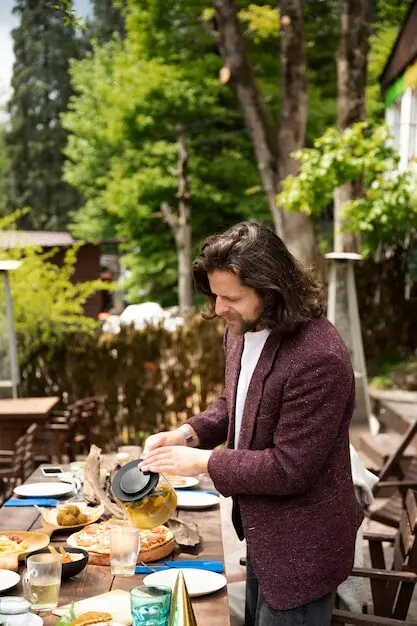
Wood-paneled rooms hold heat the way they hold conversations. Benches creak kindly, sweaters dry near a tiled stove, and pitchers refill without fuss. Strangers trade mountain tips and recipes between courses, forming brief communities anchored by steaming plates. Hosts move gently but decisively, reading weather and appetite. If you have a treasured farmstead memory, recount it here, from the best buttered potato of your life to laughter echoing after night pressed against the windows.
One cook collects eggs, another stirs polenta, and someone else checks curds resting in cheesecloth. Herbs are cut on the step, onions sweat in butter, and a pan of apples waits for crumble. It is ordinary magic: clear roles, practiced movements, and ingredients whose biographies everyone knows. Hungry yet? Tell us which single ingredient you would travel a mountain road to taste at its freshest, and how you would honor it in your kitchen.
Mountain hospitality thrives when guests plan with the same care farmers give their days. Call ahead, arrive on time, and bring cash for remote valleys where signals fade. Wear boots you can wipe and patience you can share. Ask before photographing, mind fences, and leave gates as found. After the meal, say names, not just thanks. Share your practical tips for visiting highland eateries so newcomers feel prepared, welcome, and eager to return respectfully.